Introduction
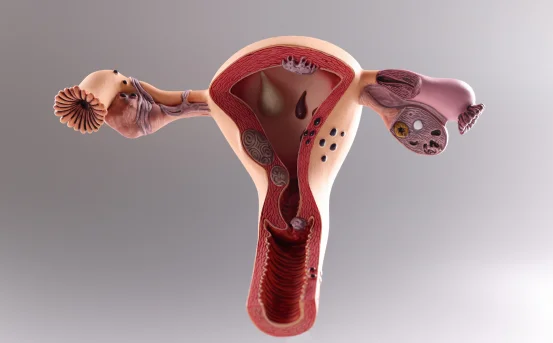
Myomectomy is a surgical procedure performed to remove uterine fibroids (non-cancerous growths) while preserving the uterus. Unlike hysterectomy, which removes the entire uterus, myomectomy is recommended for women who want to maintain their fertility or avoid complete uterine removal. Not all fibroids require surgery, but when they start causing significant symptoms or complications, myomectomy becomes an effective treatment option.
Understanding when myomectomy is needed helps women make timely decisions and prevent long-term health problems.
When Is Myomectomy Surgery Needed
- Severe or Heavy Menstrual Bleeding :- One of the most common reasons for myomectomy is excessive menstrual bleeding caused by fibroids. Surgery may be needed when:
- Periods are very heavy or prolonged
- Blood clots are frequently passed
- Bleeding leads to anemia (low hemoglobin)
- Medical treatments or hormonal therapy do not control the bleeding
Persistent heavy bleeding can affect daily life, cause fatigue, and reduce overall health, making surgical removal necessary.
- Pelvic Pain or Pressure :- Fibroids can grow large and press on nearby organs, leading to discomfort. Myomectomy is recommended if a woman experiences:
- Constant or severe pelvic pain
- A feeling of heaviness or fullness in the lower abdomen
- Pain during intercourse
- Lower back pain
When pain interferes with daily activities or quality of life, removing the fibroids provides significant relief.
- Fertility Problems or Difficulty Conceiving :- Myomectomy is often advised for women who are planning pregnancy and have fibroids that may affect fertility. Surgery may be needed when:
- Fibroids distort the shape of the uterine cavity
- There are repeated miscarriages
- Implantation failure occurs during fertility treatments
- Fibroids block the fallopian tubes
Removing fibroids improves the chances of successful conception and healthy pregnancy.
- Rapid Growth of Fibroids :- If fibroids increase in size quickly, doctors may recommend myomectomy. Rapid growth can:
- Increase pressure symptoms
- Cause abdominal enlargement
- Raise concern for rare but serious conditions
Monitoring and timely surgical removal help prevent complications.
- Urinary or Bowel Problems :- Large fibroids may press on nearby organs such as the bladder or intestines. Surgery may be required if a woman experiences:
- Frequent urination or difficulty emptying the bladder
- Constipation or difficulty passing stools
- Abdominal bloating or discomfort
Removing fibroids relieves pressure and restores normal organ function.
- Failed Medical or Non-Surgical Treatment :- Doctors usually try medications, hormonal therapy, or minimally invasive procedures first. Myomectomy is considered when:
- Symptoms persist despite treatment
- Fibroids continue to grow
- Side effects from medications occur
- Non-surgical options are not suitable
Surgery becomes the best long-term solution in such cases.
- Large or Multiple Fibroids :- When fibroids are very large or multiple in number, they can significantly affect the uterus and surrounding structures. Myomectomy is recommended if:
- The uterus becomes enlarged
- Abdominal swelling or a visible lump develops
- Symptoms worsen over time
Surgical removal helps restore the normal size and function of the uterus.
- Desire to Preserve the Uterus :- Many women choose myomectomy because they want to:
- Maintain fertility
- Plan future pregnancy
- Avoid hysterectomy
- Preserve hormonal and reproductive function
For women who wish to keep their uterus, myomectomy is often the preferred surgical option.
Conclusion
Myomectomy surgery is needed when uterine fibroids cause significant symptoms such as heavy bleeding, pelvic pain, fertility problems, pressure on nearby organs, or when they grow large or rapidly. It is especially recommended for women who want to preserve their uterus and maintain the possibility of future pregnancy. Early consultation with a gynecologist helps determine the right time for surgery and ensures better outcomes, improved quality of life, and relief from fibroid-related complications.