Introduction
Acute venous disorders are conditions that affect the veins suddenly and require prompt medical attention. These disorders mainly involve acute deep vein thrombosis (DVT), superficial thrombophlebitis, acute venous insufficiency, and venous trauma-related complications. When veins fail to carry blood back to the heart properly, blood flow becomes slow or obstructed, leading to pain, swelling, and other potentially serious symptoms.
Recognizing the symptoms at an early stage is extremely important because untreated venous disorders can lead to life-threatening complications, such as pulmonary embolism, severe infections, or permanent limb damage.
Understanding Acute Venous Disorders
Acute venous disorders occur suddenly and develop rapidly. Unlike chronic venous diseases, which progress slowly, acute venous conditions demand immediate diagnosis and timely treatment.
Some common acute venous disorders include
- Deep Vein Thrombosis (DVT) – A blood clot in the deep veins, usually in the legs.
- Superficial Thrombophlebitis – Inflammation and clotting in surface-level veins.
- Acute Venous Insufficiency – Sudden malfunction of vein valves, causing blood pooling.
- Venous Trauma or Injury – Damage to veins due to accidents, fractures, or surgery.
The symptoms for each condition may differ, but many share common warning signs. Let’s explore these in detail.
Key Symptoms of Acute Venous Disorders
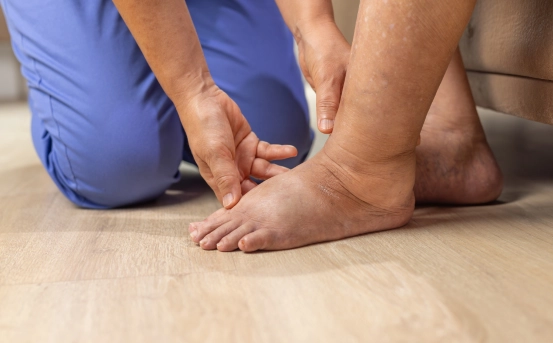
- Sudden Leg Swelling :- One of the earliest and most common symptoms is unilateral leg swelling, usually affecting one leg. This happens because a clot or inflammation blocks blood flow, causing fluid build-up.
How it feels/looks
- The affected leg becomes visibly bigger.
- Tightness in the calf or thigh.
- Swelling worsens after standing or walking.
- Shoes or clothing suddenly feel tight.
If the swelling starts suddenly and is accompanied by pain, you must seek medical help immediately.
- Sharp or Aching Leg Pain :- Pain is a significant indicator of acute venous problems. It may start mild but worsens quickly.
Characteristics of venous pain
- A dull, throbbing ache in the calf or thigh.
- Pain increases when walking or flexing the ankle (Homan’s sign in DVT).
- Tenderness in a specific area of the leg.
- Pain may feel like muscle cramps but is persistent.
Pain that does not improve with rest should never be ignored.
- Redness or Skin Discoloration :- Sudden skin changes often signal a serious venous issue.
Common changes include
- Redness or warmth over the vein.
- Bluish or purplish tint on the skin.
- Dark patches or areas that feel irritated.
- Visible swollen veins just beneath the skin surface.
These signs often indicate superficial thrombophlebitis or inflammation.
- Warmth Over the Affected Area :- When blood flow is blocked by a clot, the surrounding tissues may feel warm or hot to the touch.This happens due to inflammation and increased pressure in the veins.
If a particular area of your leg feels significantly warmer than the rest, it is a red flag.
- Prominent or Hard Veins :- In superficial thrombophlebitis, veins become
- Hard,
- Rope-like,
- And painful when touched.
These hardened veins are inflamed and may contain clots.
- Heaviness or Tightness in the Legs :- Many people with acute venous disorders feel
- A sensation of heaviness,
- Tightness around the calf,
- Or pressure inside the leg.
This symptom occurs due to pooling of blood and tissue congestion.
- Sudden Skin Ulcers or Breakdown :- Though less common in acute cases, rapid development of
- Skin wounds
- Ulcers
- Open sores
may occur when venous pressure increases severely.
These ulcers are often painful and slow to heal and require immediate medical evaluation.
- Unexpected Difficulty Walking :- Acute venous disorders may cause mobility issues, such as
- Limping due to pain,
- Difficulty bearing weight,
- Sudden stiffness in the leg.
This happens because swelling and pain restrict joint movement.
- Fever or Chills (in severe inflammation) :- When infection accompanies a venous problem, a patient may experience
- Fever,
- Chills,
- Fatigue,
- General weakness.
This combination may indicate infected thrombophlebitis, a medical emergency.
- Symptoms of Pulmonary Embolism (Life-Threatening) :- A venous clot can travel to the lungs, causing a Pulmonary Embolism (PE). Recognizing these symptoms immediately can save a life.
Danger signs include
- Sudden shortness of breath
- Chest pain (especially sharp or stabbing)
- Rapid breathing
- Coughing blood
- Dizziness or fainting
If any of these symptoms occur, call emergency services immediately.
Why Early Diagnosis Matters
Ignoring early venous symptoms can lead to
- Blood clots traveling to vital organs
- Severe leg swelling and permanent vein damage
- Chronic venous insufficiency
- Pulmonary embolism (life-threatening)
- Difficulty walking and long-term mobility issues
Early medical intervention helps prevent complications and ensures faster recovery with fewer long-term effects.
When Should You See a Doctor?
Seek medical help urgently if you experience
- Sudden swelling in one or both legs
- Pain that worsens with movement
- Red or warm patches on the leg
- Visible or hardened veins
- Shortness of breath or chest pain
Even mild symptoms should be checked, especially if you have risk factors such as
- Recent surgery
- Long travel or immobilization
- Pregnancy
- Obesity
- Smoking
- Family history of blood clots
- Hormonal therapy or birth control pills
How Are Acute Venous Disorders Diagnosed?
Doctors typically perform
- Doppler Ultrasound – To detect clots and measure blood flow
- D-dimer Test – To check for clotting activity
- Venography – Detailed imaging using contrast dye
- Blood tests – To identify underlying disorders
These diagnostic tools help confirm the condition and determine the best treatment plan.
Treatment Options
Treatment depends on the severity and type of venous disorder
- Anticoagulants (blood thinners)
- Compression therapy
- Pain management & anti-inflammatory medicines
- Thrombolytic therapy (in severe clots)
- Surgical intervention for large clots or complications
- Lifestyle changes to prevent recurrence
Early treatment prevents life-threatening complications and improves long-term outcomes.
Conclusion
Symptoms of acute venous disorders should never be taken lightly. Sudden swelling, pain, redness, warmth, and difficulty walking are your body’s way of signaling a serious problem. Early recognition and immediate medical care can prevent complications like pulmonary embolism, severe inflammation, and permanent vein damage.