Introduction
Anesthesia is one of the most important medical advancements that allows doctors to perform surgeries and procedures safely and comfortably. Without it, even minor procedures would cause significant pain and distress. But many people still wonder: What is anesthesia? How does it work? Is it safe? In this comprehensive guide, we break down everything you need to know about anesthesia, its types, uses, risks, and what to expect before and after a procedure.
What Is Anesthesia?
Anesthesia is a medical technique used to prevent pain during surgeries and procedures. It works by blocking nerve signals between the body and the brain. Depending on the type of anesthesia used, it can numb a small part of the body, relax the patient, or induce complete unconsciousness.
The word “anesthesia” comes from the Greek term meaning “loss of sensation.” Today, anesthesia is widely used not only for major surgeries but also for diagnostic procedures, dental operations, and minor interventions.
How Does Anesthesia Work?
Anesthesia medications affect the nervous system by either blocking pain signals or making the brain unable to perceive them. Different types of anesthesia work at different levels
- Local anesthesia blocks nerve signals in a specific area.
- Regional anesthesia blocks pain in a larger region by numbing nerve clusters.
- General anesthesia causes temporary loss of consciousness by slowing down brain activity.
Your anesthesiologist decides the right type based on the procedure, your medical history, and your overall health.
Types of Anesthesia
Understanding the different types of anesthesia helps patients feel more prepared for medical procedures.
- Local Anesthesia :- Local anesthesia numbs a small, specific area of the body such as the gums, skin, or a small surgical site.
It is commonly used for
- Dental procedures
- Minor skin surgeries
- Stitching wounds
- Removing small growths
Patients remain fully awake, feel no pain, and recover quickly.
- Regional Anesthesia :- Regional anesthesia numbs a larger part of the body by targeting major nerves. You may stay awake or receive sedation.
Common types include
- Spinal anesthesia: Used for lower-body surgeries like C-sections or hernia repair.
- Epidural anesthesia: Commonly used during labor and childbirth.
- Nerve blocks: Used for orthopedic surgeries on arms, legs, or shoulders.
Benefits include less pain after surgery and reduced need for strong painkillers.
- General Anesthesia :- General anesthesia is used for major surgeries where complete unconsciousness is required. It involves medications given through IV or inhalation that prevent awareness, movement, and pain.
Used for
- Heart surgery
- Brain surgery
- Abdominal procedures
- Long or complex operations
Patients are closely monitored by an anesthesiologist throughout the procedure.
- Sedation (Monitored Anesthesia Care) :- Sedation helps patients relax during minor procedures. Levels vary from mild (you’re awake but calm) to deep (you’re asleep but not fully unconscious).
Used in
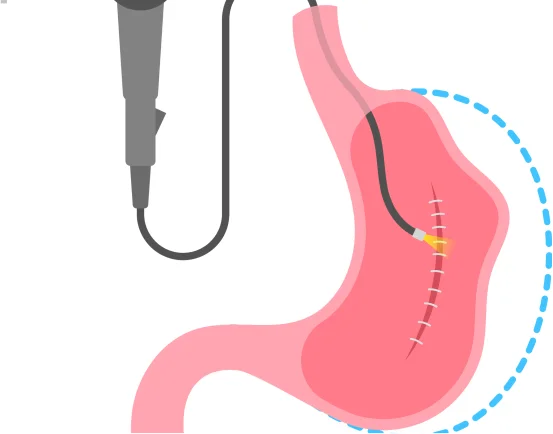
- Endoscopy
- Colonoscopy
- Minor orthopedic procedures
- Eye surgeries
Who Is an Anesthesiologist?
An anesthesiologist is a highly trained medical doctor specializing in anesthesia, pain management, and critical care. Their responsibilities include
- Evaluating your health before surgery
- Selecting the appropriate anesthesia
- Monitoring vital signs during the procedure
- Managing pain after surgery
They play a crucial role in ensuring safety and comfort throughout your surgical experience.
Is Anesthesia Safe?
Modern anesthesia is considered very safe, especially with advanced monitoring systems and skilled anesthesiologists. Complications are rare and usually minor.
Common mild side effects
- Nausea
- Sore throat
- Dizziness
- Temporary confusion (especially in elderly patients)
Serious complications are extremely uncommon but may include reactions to medications or breathing difficulties. Proper pre-surgery evaluations help minimize risks.
What to Expect Before Anesthesia
Before receiving anesthesia, you will undergo a detailed evaluation that includes
- Medical history
- Allergies
- Previous anesthesia reactions
- Current medications
- Blood tests or scans if needed
You may be asked
- Not to eat or drink for 6–8 hours before surgery
- To stop certain medications
- To avoid smoking and alcohol
This ensures a safe and smooth anesthesia experience.
What Happens During Anesthesia?
During the procedure, the anesthesia team closely monitors
- Heart rate
- Blood pressure
- Oxygen levels
- Breathing
- Temperature
They adjust medications as needed to keep you comfortable and stable.
In regional or local anesthesia, you may be awake but pain-free.
In general anesthesia, you will not feel, hear, or remember the procedure.
Recovery After Anesthesia
Recovery depends on the type of anesthesia used. Most patients wake up within minutes after general anesthesia, though full alertness may take a few hours.
Common post-anesthesia guidelines
- Arrange someone to drive you home
- Avoid heavy meals immediately
- Rest for the day
- Stay hydrated
- Follow your doctor’s medication instructions
If you received regional anesthesia, numbness may last for a few hours after the procedure.
When to Call Your Doctor
Although rare, contact your healthcare team if you experience
- Persistent nausea or vomiting
- Severe headache
- Breathing trouble
- Chest pain
- Continuous numbness or weakness
These symptoms may require medical attention.
Conclusion
Anesthesia is essential for ensuring safe, painless, and successful medical procedures. With different types available local, regional, general, and sedation your anesthesiologist selects the best option based on your needs. Modern anesthesia is extremely safe, and understanding how it works helps reduce anxiety and improves your overall surgical experience.